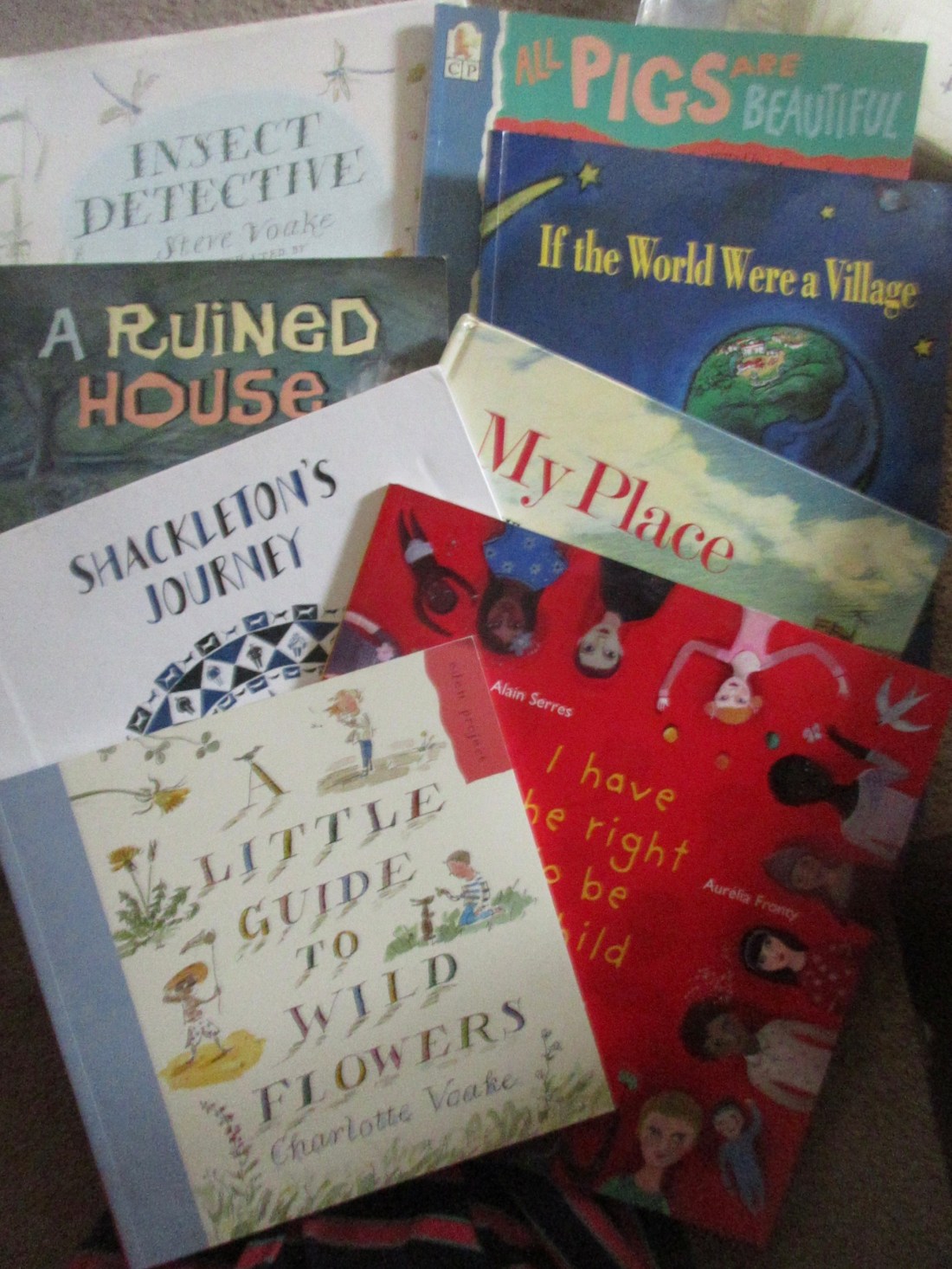
We're going back to nature for the next week... or maybe longer if we really get into our groove. People talk about having a teacher 'toolbox' and all kinds of formulas and tricks for teaching writing, usually involving some complicated acronyms and pretty rigid approaches. Nature is my toolbox! It can provide enough inspiration to … Continue reading Back to nature
Month: June 2020
Rule of three
They caused no trouble, but their near presence was somehow uncomfortable. Who were they? Where had they come from? Where were they going? Direct questions produced no answers: only a smile, a shrug, a shake of the head. The Wind Singer by William Nicholson It has often been said that three's a crowd but today … Continue reading Rule of three
Word sorting
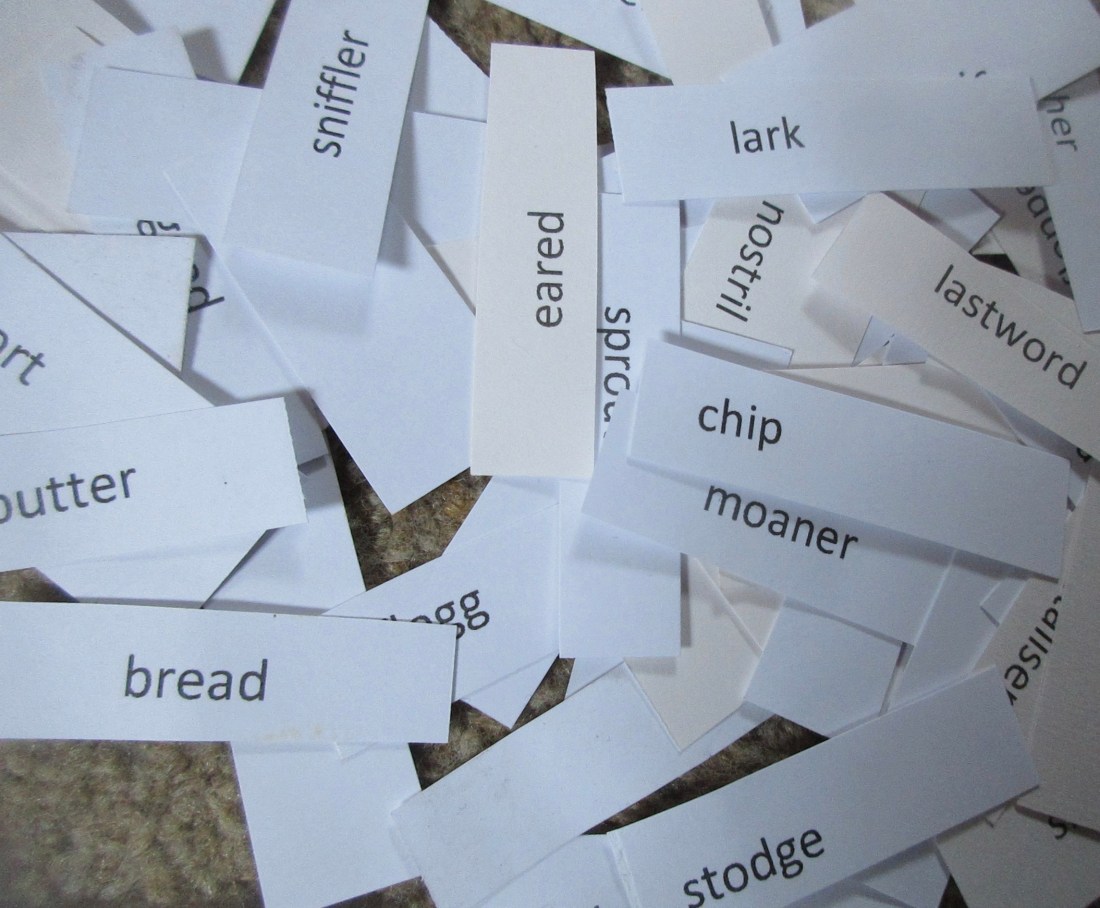
Pleasure in words, a curiosity about them and an awareness, these seem important to us. Paying attention to individual words when we are reading, writing or moving about in the world is an important and interesting part of becoming a writer. Taking care over the words we choose makes a difference to what we say … Continue reading Word sorting
A well-crafted sentence
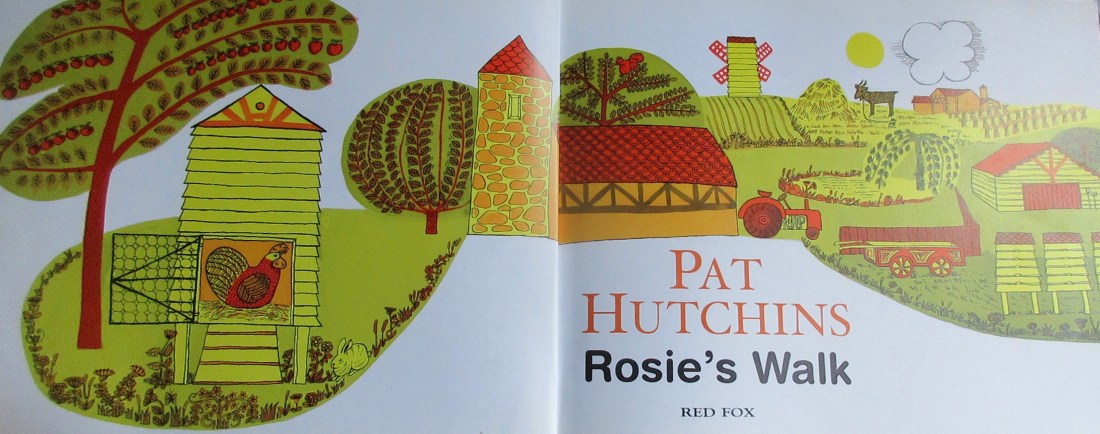
Pat Hutchin’s wonderful book, Rosie’s Walk, contains one sentence. The sentence has two clauses joined by ‘and’, and thirty-two words. One of the joys of the book is the way the pictures tell a part of the story never mentioned in the words. Rosie the hen walks insouciantly around the farmyard followed by a fox, whose … Continue reading A well-crafted sentence
Lob and the Art of the Hyphen
Linda Newbery's 2010 novel, Lob, is not only a gift to readers but also to teachers everywhere. The problem of teaching and the difficulty of learning about punctuation is that it is all too quickly whipped out of context and learners are plunged into meaningless, repetitive tasks. This is where a richly crafted book such … Continue reading Lob and the Art of the Hyphen
Inside the words
This week we are going to think about language in a more focused way. We continue to read aloud and have children read for themselves. In doing so they acquire the rhythms and turns of phrase, the vocabulary of a favoured author, the desire to try out a new way of writing. It is also … Continue reading Inside the words
Non-fiction
Non-fiction has a terrible reputation in schools. I have to say it has earned it -all that endless, pointless, writing of instructions, the torture of an explanation and the dreariness of a recount or a balanced argument, painstakingly written within the spiky scaffolding of a writing frame; the convoluted excuses - or the, more honest, … Continue reading Non-fiction
Fiction
Through fiction we develop a body of knowledge about language unlike any other. Developing language through the reading and hearing of fiction gives us a deep understanding of writing through sitting in the opposite seat - that of the reader. A much broader range of language is employed in literature than in spoken language so … Continue reading Fiction
Poetry
Everybody needs poetry in their lives. And no one more than those of us learning to write. The great thing about poetry is that it is high octane -small but powerful. We can find many ways of filling our classrooms and our days with poems of every variety. We can choose poems that are sturdy … Continue reading Poetry
Children’s Language
However broad or narrow it may seem to us as adults, children are rich in their own language. Not just in terms of vocabulary, but also the ways in which they construct language too, for example, saying certain phrases or words in a certain order because that's how a parent or grand-parent says them. It … Continue reading Children’s Language